What Are Marketplace Integrations?
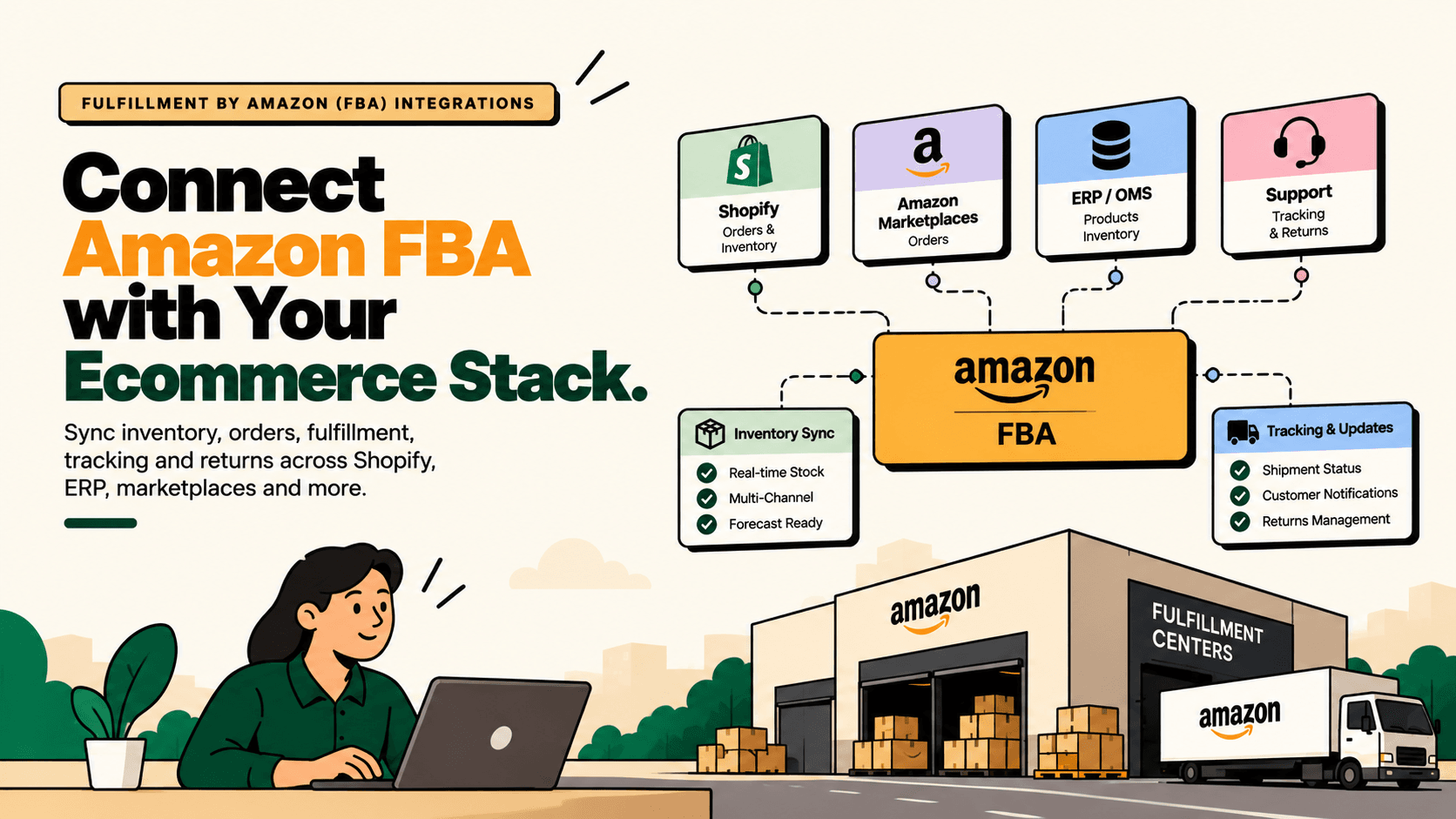
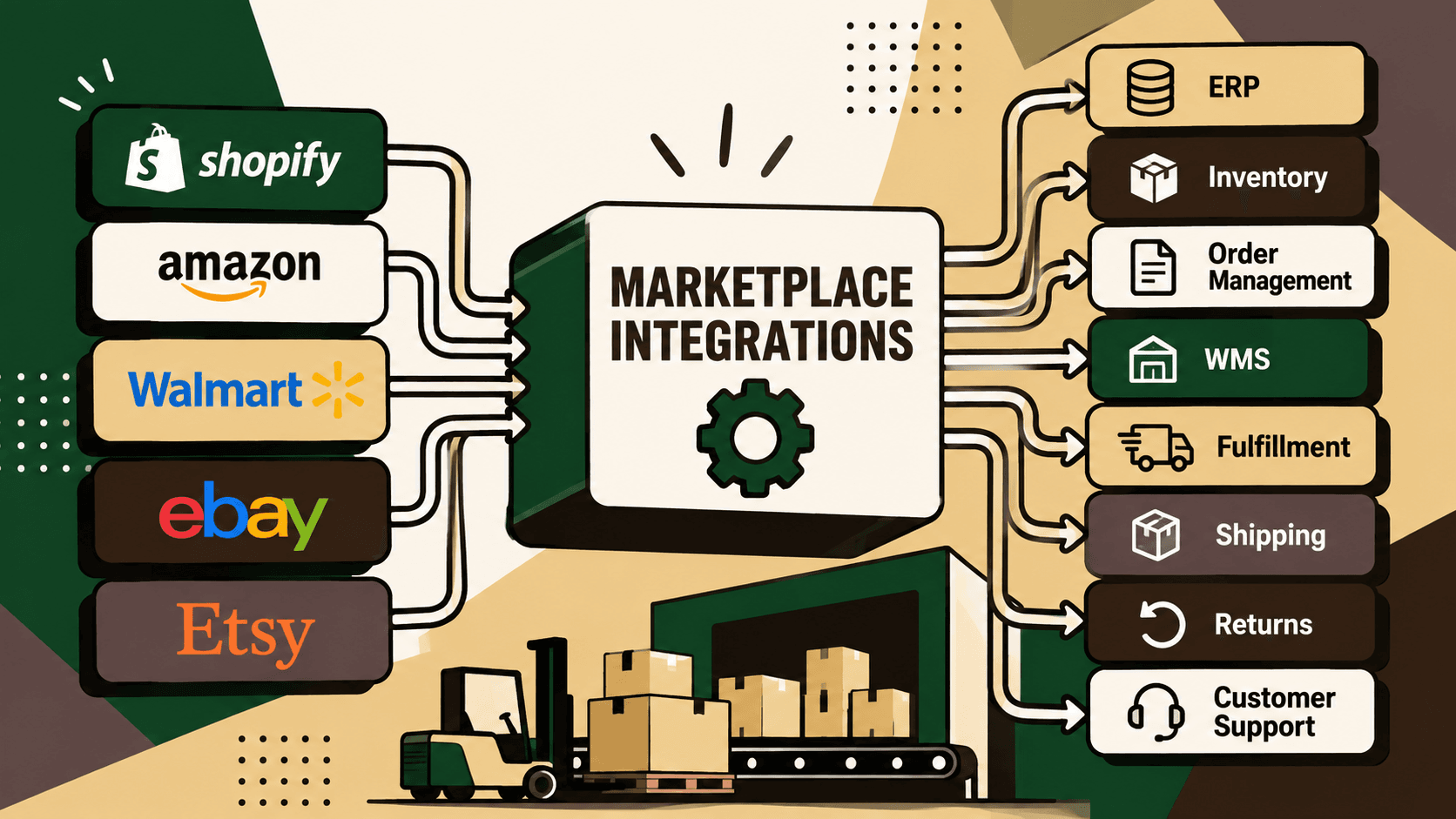
Marketplace integrations connect Shopify, Amazon, Walmart, eBay, Etsy and other commerce channels with the operational systems that run an ecommerce business. These can include ERP, inventory, OMS, WMS, fulfillment, shipping, returns and customer-support systems.
The goal is to synchronize orders, inventory, fulfillment, tracking and returns without requiring teams to manage every marketplace separately.
Why Do Ecommerce Businesses Need Marketplace Integrations?
As brands add more sales channels, manual operations become increasingly difficult to manage.
- Inventory mismatches across marketplaces.
- Manual order processing.
- Delayed fulfillment updates.
- Missing tracking information.
- Fragmented returns.
- Manual reconciliation.
A marketplace integration creates a shared operational layer so every channel can work with consistent business data.
What Should Marketplace Integrations Synchronize?
| Data | Purpose |
|---|---|
| Inventory | Keep stock availability synchronized |
| Orders | Create a centralized order workflow |
| Fulfillment | Track operational progress |
| Tracking | Keep marketplaces and customers updated |
| Returns | Connect post-purchase workflows |
| Reconciliation | Keep financial records aligned |
Shopify, Amazon, Walmart, eBay & Etsy Integration
A connected architecture can bring multiple sales channels into one operational workflow.
Shopify + Amazon + Walmart + eBay + Etsy → Integration Layer → ERP / OMS / WMS → Fulfillment → Tracking
This allows businesses to manage orders and inventory centrally instead of creating separate operational processes for every marketplace.
Marketplace Inventory Synchronization
Inventory synchronization is one of the most important parts of marketplace integration. If every marketplace independently manages available stock, overselling and inventory mismatches can occur.
A centralized inventory workflow can establish available-to-sell inventory and distribute it across channels according to business rules.
Inventory System → Available Stock → Shopify + Amazon + Walmart + eBay + Etsy
Marketplace ERP, OMS & WMS Integration
Marketplace orders can flow into an OMS or ERP, where business rules determine inventory allocation and fulfillment.
Marketplace Order → OMS → Inventory Decision → WMS / 3PL / FBA → Shipping → Marketplace
This creates a common operational workflow across multiple sales channels and fulfillment providers.
Where AI Fits Into Marketplace Integrations
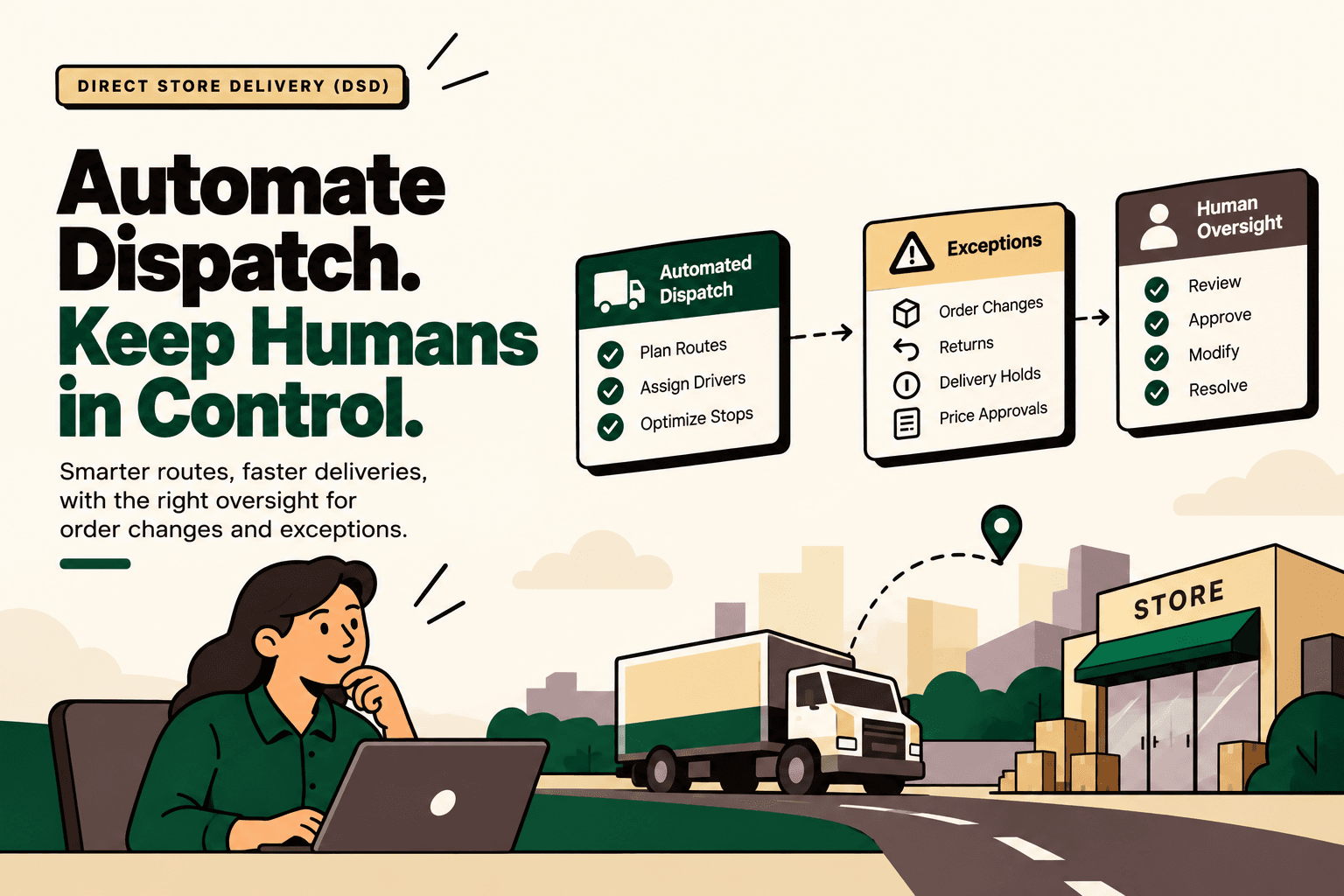
AI can operate on top of the integration layer to automate exception classification, order analysis, customer-support responses and operational anomaly detection.
Marketplaces → Commerce Infrastructure → ERP / OMS / WMS → AI Customer Operations
The integration layer provides reliable operational data while AI helps automate workflows built on that data.
What Five Anchor Can Implement
Five Anchor can connect your marketplaces with the operational systems running your ecommerce business.
This can include marketplace integrations, inventory synchronization, order orchestration, ERP and WMS connectivity, fulfillment automation, returns workflows, reconciliation and AI-powered customer operations.
Build one connected commerce infrastructure layer instead of adding another disconnected connector.
How to Measure Marketplace Integration Success
- Inventory synchronization accuracy.
- Manual order-processing volume.
- Order-processing errors.
- Fulfillment latency.
- Tracking-update delays.
- Return-processing time.
- Reconciliation exceptions.
Final Takeaway
Marketplace integrations should connect more than your sales channels. They should connect inventory, orders, fulfillment, tracking, returns and operational systems into one reliable workflow.
With the right commerce infrastructure, Shopify, Amazon, Walmart, eBay and Etsy can operate as connected channels instead of isolated systems.
Connect your marketplaces with Five Anchor and build a more automated ecommerce operation.
Frequently Asked Questions
What is a marketplace integration?
It connects marketplaces such as Shopify, Amazon, Walmart, eBay and Etsy with ERP, inventory, OMS, WMS and fulfillment systems.
Can multiple marketplaces share the same inventory?
Yes. A centralized inventory integration can synchronize available-to-sell inventory across multiple channels.
Can marketplace orders integrate with an ERP?
Yes. Orders can be synchronized with an ERP through APIs, connectors or middleware.
Can AI be added to marketplace integrations?
Yes. AI can automate exception handling, customer support, operational analysis and other workflows using connected commerce data.